

Fitness in 2026: Why Smarter Training Is Beating Harder Training
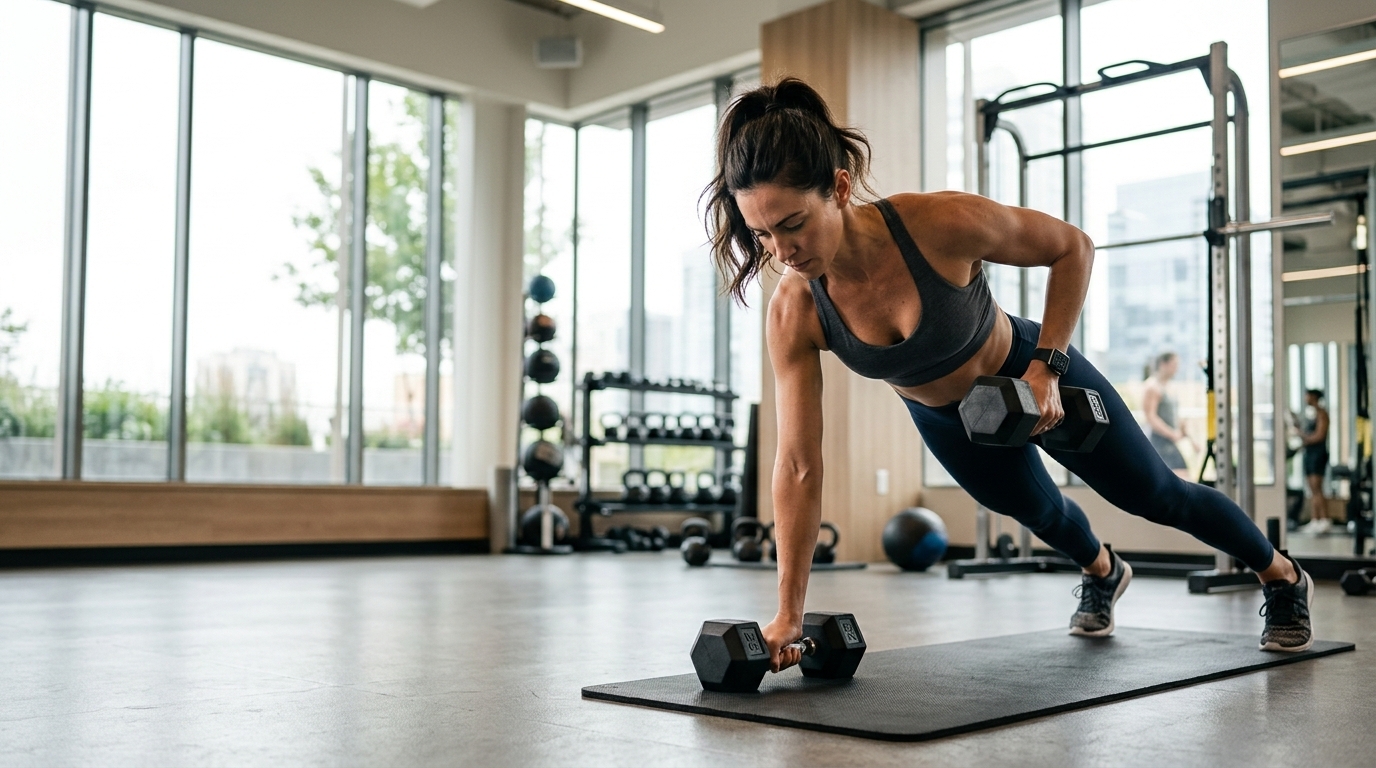
You don’t need to spend two hours in the gym every day to become fitter.
In 2026, the fitness conversation is shifting from “How hard can I train?” to a much better question: “How effectively am I training?”
Wearable technology, strength training, functional fitness, recovery tracking and flexible exercise programs are shaping the modern fitness landscape. The American College of Sports Medicine (ACSM) ranks wearable technology as the #1 fitness trend for 2026, while traditional strength training and functional fitness remain important parts of the picture.
The message is simple: fitness is becoming less about chasing exhaustion and more about building a system you can maintain.
The goal isn't just to look fit
A good fitness routine should help you do more than change your appearance.
It should help you:
- Build and maintain muscle
- Improve cardiovascular fitness
- Move better in everyday life
- Manage body weight
- Support mental wellbeing
- Maintain energy and independence as you age
The World Health Organization recommends that adults get 150–300 minutes of moderate-intensity aerobic activity per week, or 75–150 minutes of vigorous activity, along with muscle-strengthening activities involving major muscle groups on at least two days per week.
That means your fitness plan doesn't have to be extreme to be effective.
Strength training is still one of the smartest investments
Despite constant changes in fitness trends, strength training continues to stand out.
You don't necessarily need complicated exercises or expensive equipment. Squats, presses, rows, lunges, hinges, carries and other resistance exercises can form the foundation of a strong program.
The important part is progressive improvement.
Over time, you should aim to gradually improve your technique, repetitions, resistance, control or overall performance rather than simply doing more workouts.
Strength training also isn't only about building bigger muscles. It contributes to muscular function, mobility and long-term physical capacity. ACSM continues to place traditional strength training among its leading fitness trends.
Don't underestimate simple movement
One of the biggest mistakes people make is thinking that exercise only counts when they're inside a gym.
Walking, cycling, recreational sports, active transportation and everyday movement all contribute to physical activity. WHO emphasizes that every movement counts.
For someone with a busy schedule, this can make fitness much easier.
Take a walk during a break. Use stairs when practical. Walk while taking a phone call. Spend less time sitting continuously.
You don't have to transform your entire lifestyle overnight.
Your smartwatch isn't your coach
Wearables are becoming increasingly popular, and ACSM has identified wearable technology as the top fitness trend for 2026. Modern devices can track metrics such as heart rate, steps, distance and other health-related measurements.
But there's an important distinction:
Data is useful only when it helps you make better decisions.
A watch telling you that you slept poorly doesn't automatically tell you exactly how you should train that day. A calorie estimate isn't a perfect measurement of how much you should eat. A daily step target shouldn't become a reason to ignore fatigue, pain or recovery.
Use technology to identify patterns—not to become obsessed with numbers.
Recovery is part of training
Training creates a stimulus. Recovery allows your body to adapt.
If every workout is treated like a competition, fatigue can accumulate faster than progress.
A smarter approach is to pay attention to:
- Sleep quality
- Muscle soreness
- Energy levels
- Training performance
- Stress
- Rest days
- Changes in motivation
Sometimes the best decision is to reduce training intensity rather than force another hard session.
You don't need the perfect program
The perfect workout plan doesn't exist if you can't consistently follow it.
A simple weekly structure can be enough for many adults:
2–4 days: Strength training
2–5 days: Walking, cycling, running or another form of aerobic activity
Daily: General movement and reduced prolonged sitting
Regularly: Mobility, balance or recreational activity
The exact combination should depend on your goals, fitness level, schedule and health status.
The key is consistency.
Start with a fitness system you can actually maintain
If you're starting—or restarting—your fitness journey, don't try to change everything in one week.
Start with three priorities:
1. Move more.
Build regular physical activity into your day.
2. Get stronger.
Perform resistance training consistently and focus on good technique.
3. Recover properly.
Treat sleep, rest and manageable training volume as part of the plan.
Then track your progress over several weeks rather than judging yourself by a single workout.
The biggest fitness upgrade in 2026
The biggest upgrade isn't a new machine, supplement or workout trend.
It's learning to train with purpose.
You don't need to destroy yourself in every workout. You need a routine that challenges you, allows you to recover and fits realistically into your life.
Fitness isn't about winning one workout. It's about becoming stronger, healthier and more capable year after year.
Start small. Train intelligently. Measure what matters. And build a routine you can still follow six months from now.
