


The Future of Food Is Already Here: 7 Smart Ways to Eat Better in 2026
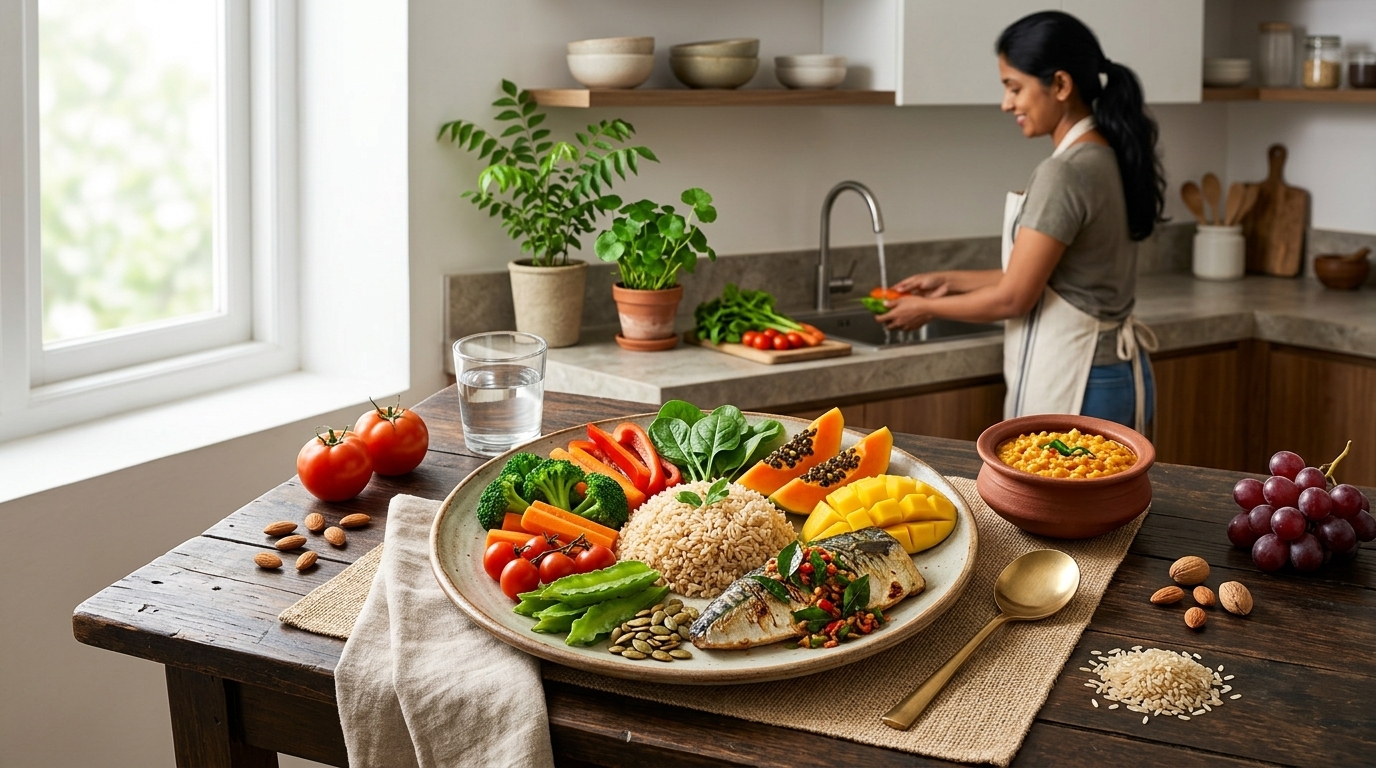
- What if eating healthier had less to do with following the “perfect diet” and more to do with making better everyday food choices?
In 2026, the food conversation is moving beyond calories and restrictive diets. People are paying more attention to whole foods, protein, fibre, food quality, convenience, sustainability and how heavily foods are processed. At the same time, food trends are introducing new ingredients, flavours and cooking ideas into everyday meals.
The challenge is knowing which changes are genuinely useful—and which are simply hype.
Healthy Eating Doesn't Have to Be Complicated
There is no single perfect diet for everyone.
The World Health Organization and FAO emphasize that healthy diets can vary according to individual needs, culture, food availability and local eating habits. However, the basic principles remain consistent: a varied diet built around nutritious foods, with less excess salt, free sugar and unhealthy fats.
That means traditional foods can absolutely be part of a healthy lifestyle.
Rice, vegetables, fruits, lentils, beans, fish, eggs, meat, nuts and whole grains can all have a place in a balanced diet.
The goal isn't to make food complicated.
It's to make the everyday choice a little better.
1. Build Meals Around Real Ingredients
One of the simplest approaches to better eating is to make minimally processed foods the foundation of your meals.
Think:
- Vegetables and fruits
- Beans and lentils
- Whole grains
- Nuts and seeds
- Eggs
- Fish and other seafood
- Lean meats
- Plain or minimally processed dairy products
WHO highlights vegetables, fruits, legumes, nuts and whole grains as important components of a healthy diet.
You don't need to eliminate every packaged food.
Instead, ask yourself:
“What can I add to this meal to make it more nutritious?”
Adding vegetables, legumes, fruit or a protein-rich food can often be more practical than trying to completely redesign your diet.
2. Don't Confuse “Processed” With “Unhealthy”
This distinction matters.
Food processing isn't automatically bad. Cooking, freezing, fermenting, drying and other forms of processing can make food safer, more convenient or longer-lasting.
The bigger concern is the overall nutritional quality and, increasingly, the role of ultra-processed foods in modern diets.
WHO is currently developing global guidance on ultra-processed food consumption, reflecting the growing scientific and public-health interest in the subject.
The practical lesson isn't that you need to fear every packaged product.
Instead, make whole or minimally processed foods the foundation of your diet and treat highly processed, energy-dense foods as foods to consume thoughtfully rather than as the default for every meal.
3. Protein Is Important—but Balance Matters
Protein has become one of the biggest themes in modern food culture.
From high-protein breakfasts to protein snacks and fortified foods, the market is full of products promising to help consumers eat more protein.
But more isn't automatically better for everyone.
A better approach is to include a quality protein source in your meals according to your individual needs.
Examples include:
- Eggs
- Fish
- Chicken
- Milk or yoghurt
- Lentils
- Beans
- Soy foods
- Nuts and seeds
The right amount depends on factors such as age, body size, activity level and health goals.
Rather than obsessing over a single nutrient, build meals that combine protein + vegetables or fruit + a suitable carbohydrate source + healthy fats.
4. Fibre Deserves More Attention
Protein gets plenty of attention online.
Fibre often doesn't.
Yet fibre-rich foods are a major part of healthy eating patterns.
Vegetables, fruits, legumes, nuts and whole grains can help increase fibre intake while also providing a range of vitamins, minerals and other nutrients.
A simple upgrade is to look at your plate and ask:
“Where is the plant food?”
Add a serving of vegetables to lunch. Choose fruit as part of a snack. Include lentils or beans in a meal. Replace some refined grains with whole-grain options where practical.
Small changes repeated consistently can transform the quality of your overall diet.
5. Local Food Can Be Part of Modern Eating
Healthy food doesn't have to look like an imported “fitness meal.”
In Sri Lanka and many other countries, traditional foods can provide excellent building blocks for balanced meals.
Rice and curry, for example, can be adjusted according to ingredients and portions rather than automatically labelled “healthy” or “unhealthy.”
A meal containing rice, dhal, vegetables, sambol and a protein source can provide a much broader range of nutrients than a meal built primarily around highly processed snack foods.
The key is balance, variety and preparation.
Modern nutrition doesn't require abandoning local food culture.
It can mean understanding it better.
6. Convenience Is Changing What We Eat
Modern food choices are increasingly shaped by busy lifestyles, urbanization and digital food delivery.
A 2026 WHO technical document on urban food environments highlights how urbanization, digital food delivery and the growing availability of highly processed foods are influencing food environments and dietary patterns.
This creates a practical problem.
When you're hungry after a long day, convenience often wins.
The solution isn't necessarily to cook elaborate meals every night.
Instead, create healthy convenience.
Keep easy ingredients available:
- Washed or frozen vegetables
- Eggs
- Fruit
- Cooked legumes
- Yoghurt
- Rice or other staple grains
- Canned or frozen fish where appropriate
- Nuts and seeds
Preparing a few basic ingredients in advance can make the healthier choice the easier choice.
7. Food Trends Are Fun—but Don't Let Them Control Your Diet
Food trends can introduce interesting ingredients and cooking techniques.
For 2026, Whole Foods Market's trend predictions include developments such as renewed interest in traditional fats and other emerging flavour and ingredient trends.
But a trending ingredient isn't automatically a superfood.
Before changing your diet because something is viral, ask:
Is there good evidence behind the claim?
Does it actually improve my overall diet?
Can I afford and enjoy it long term?
Does it fit my nutritional needs?
If the answer is no, you probably don't need it.
A Simple Food Rule for 2026
Forget trying to create a perfect meal every time.
Instead, use a simple framework:
More variety.
Eat a wider range of nutritious foods.
More plants.
Include vegetables, fruits, legumes, nuts and whole grains regularly.
Enough protein.
Include suitable protein sources throughout your meals.
Less excess.
Be mindful of excessive free sugars, salt and unhealthy fats.
Less dependence on highly processed foods.
Don't let packaged convenience foods become the foundation of your diet.
WHO currently recommends limiting free sugars to less than 10% of total energy intake, limiting sodium to less than 2 grams per day, and consuming at least 400 grams of vegetables and fruit per day for adults and children over 10.
These are population-level recommendations, not a personalised diet plan, but they provide useful direction.
The Best Diet Is the One You Can Actually Live With
Food shouldn't become a source of constant anxiety.
You don't need to avoid every dessert, reject every restaurant meal or calculate every ingredient perfectly.
A sustainable approach is about what you do most of the time.
Build your everyday meals around nutritious foods. Enjoy treats without turning them into daily staples. Learn to read food labels. Experiment with local ingredients. Cook when you can. Make healthy food convenient.
And remember that nutrition is personal. Medical conditions, allergies, age, pregnancy, medications and specific performance goals can change what is appropriate, so individual advice from a qualified health professional may be necessary.
The Takeaway
The future of food isn't about finding one magical ingredient.
It's about creating a better relationship with everyday food.
Eat more variety. Choose nutritious foods more often. Make healthy meals convenient. Enjoy food without unnecessary fear.
In 2026, perhaps the smartest food trend of all is also the simplest:
Stop chasing the perfect diet—and start building better meals.
